
A move can look simple on paper. Put things in boxes, load a truck, arrive, unpack. Real life rarely works that cleanly. A good move asks for timing, judgment, and a clear plan long before the first box gets taped shut. That is true for a local apartment move, a family home transition, or a larger relocation with tight deadlines and fragile items in the mix.
Many people start by searching for a reliable moving company in Ontario, then realize the hard part often begins at home, with decisions about sorting, labeling, scheduling, and protecting what matters most. The best results usually come from solid preparation and a realistic view of the work ahead. That also helps reduce the common mistakes to avoid when moving, especially the ones that cost time, money, or peace of mind.
Start With a Plan, Not With Boxes

Packing too early without a plan creates clutter. Packing too late creates stress. The smartest first step is to map out the move in stages. Set your move date, then work backward. Build a simple timeline for four key jobs: sorting, gathering supplies, packing room by room, and confirming logistics for moving day. This gives the process structure and keeps small tasks from piling up into a last-minute scramble.
A written checklist helps more than people expect. It turns vague intentions into clear actions. List what must happen each week, then break that down into shorter daily tasks. That could mean canceling utilities one day, packing books the next, and reserving elevator access after that. Small actions create momentum. They also make the move feel manageable, even when the to-do list looks long.
This planning stage is also the right time to decide what kind of help you need. Some people need full-service movers. Others need labor only, truck rental, or help with large furniture. Make those choices early. Waiting too long can leave you with limited options, higher costs, and a tighter schedule than you wanted.
Cut Down What You Move Before You Pack
One of the most expensive moving habits is packing things you no longer need. Every extra box adds labor, space, and time. That is why decluttering should happen before serious packing begins. Go room by room and make fast, honest decisions. Keep what you use, donate what still has value, recycle what you can, and discard what no longer serves a purpose.
This step does more than reduce volume. It gives you a cleaner starting point in your new place. Unpacking feels easier when you are dealing with items you actually want to keep. It also helps you spot storage needs sooner. A kitchen full of duplicate tools or a closet packed with unworn clothes can hide the fact that your next home needs a different setup, not more bins.
Be especially strict with storage areas. Garages, basements, attics, and hallway closets tend to collect the heaviest and least useful items. Old cords, broken lamps, expired products, loose hardware, and mystery boxes often move from one home to another for no good reason. A move is a good deadline for clearing that backlog and saving yourself work later.
Use the Right Supplies for the Right Items
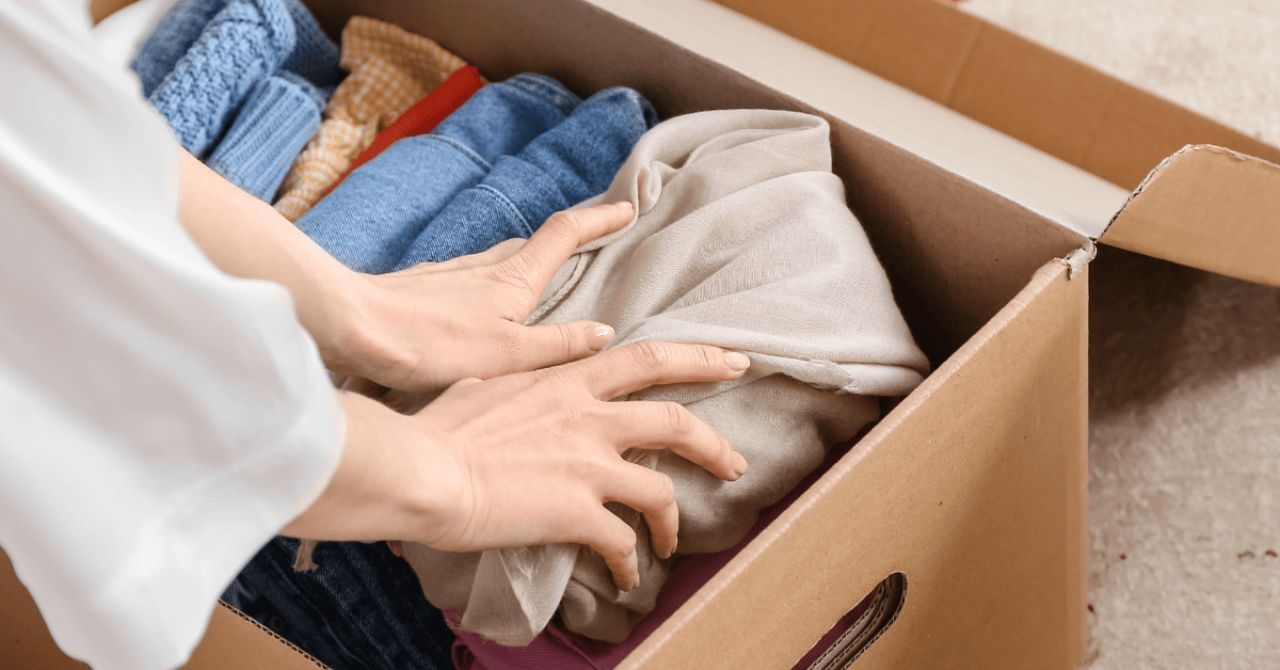
Cheap supplies usually create expensive problems. Weak boxes split. Thin tape peels back. Poor wrapping leaves dishes chipped and electronics exposed. Buy moving supplies with purpose. You do not need the most expensive products on the market, but you do need sturdy boxes, packing tape, bubble wrap or packing paper, stretch wrap, markers, and labels that stay put.
Use smaller boxes for heavy items like books, tools, and canned goods. Use medium and large boxes for lighter household items such as linens, clothing, and decor. Many people make the mistake of filling large boxes with heavy things, then end up with containers that are hard to lift and more likely to break. Good packing protects your belongings and protects the people carrying them.
Special items deserve special treatment. Dishes should stand vertically with padding between them. Glassware needs individual wrapping. TVs, monitors, and framed art need edge protection and secure placement. Furniture should be disassembled when practical, then wrapped to prevent scratches. Keep screws, brackets, and small hardware in labeled bags, then tape those bags to the item or store them together in a clearly marked container.
Pack by Room and Label Like You Mean It
Packing works best when it follows a system. Focus on one room at a time and finish it before moving to the next. That keeps boxes organized and prevents the classic problem of mixed boxes filled with random items from three different rooms. A box packed with bathroom towels, office papers, and kitchen utensils will slow down both the move and the unpacking process.
Label every box on more than one side. Write the destination room, a short list of contents, and a handling note if needed. “Kitchen, plates and mugs, fragile” tells you far more than “kitchen stuff.” This simple habit saves hours later. Movers can place boxes in the right rooms right away, and you can find the basics without opening ten cartons to locate one phone charger or one coffee maker filter.
It also helps to create priority levels. Mark a few boxes in each room as open first. These should contain the things you will need within the first 24 to 48 hours. In the kitchen, that may be basic cookware, paper towels, and coffee supplies. In the bathroom, it may be soap, towels, and daily toiletries. In bedrooms, it may be sheets, chargers, and a change of clothes. Clear labeling turns your first night from chaotic to functional.
Prepare for Moving Day Like an Operations Project
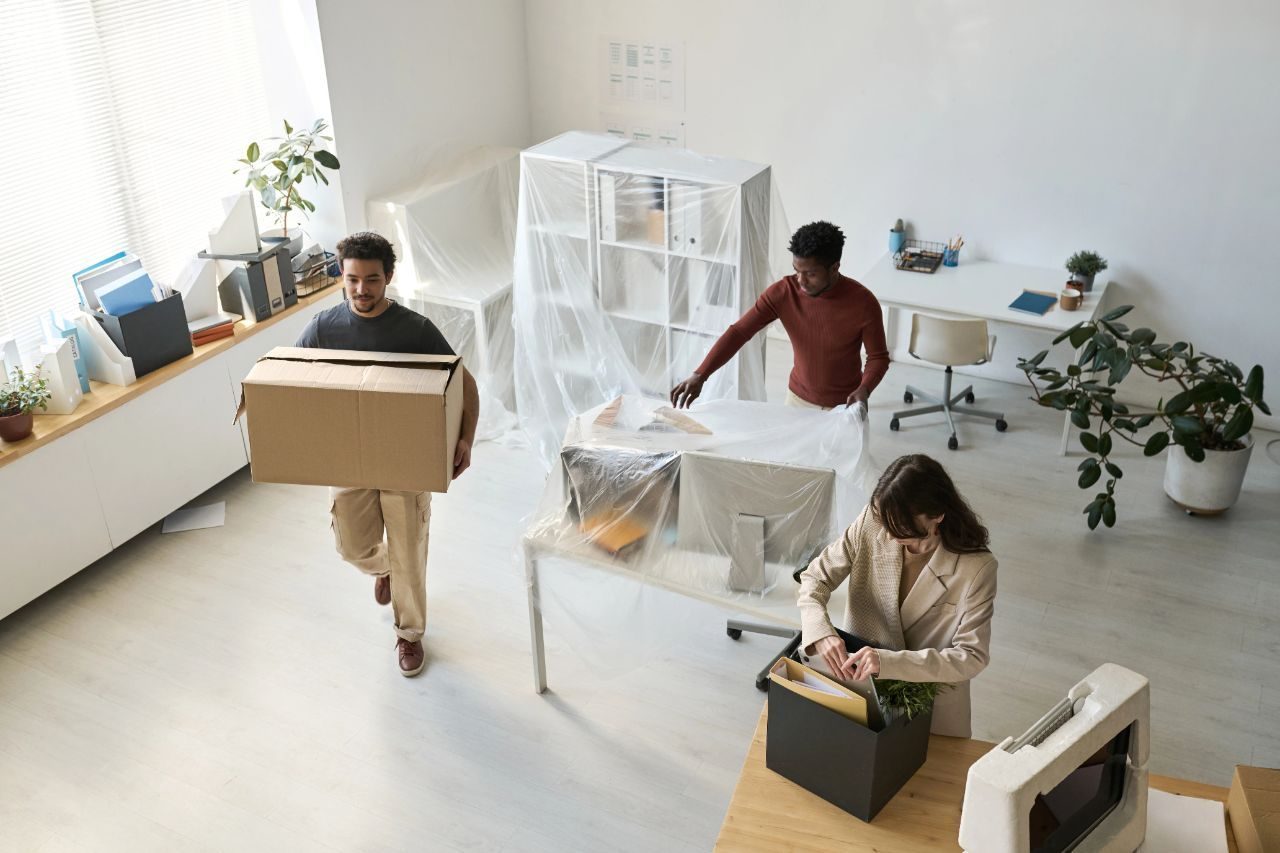
Moving day runs better when the heavy thinking is already done. Confirm arrival times, addresses, parking access, building rules, and payment details in advance. Keep your phone charged and your essentials close. If you live in a building, reserve elevators and loading areas early. If you are moving from a house, make sure walkways stay clear and entry points remain easy to access.
Pack an essentials bag that stays with you, not on the truck. Include medications, IDs, lease or closing documents, snacks, water, chargers, keys, basic tools, and anything valuable or irreplaceable. The same rule applies to jewelry, passports, laptops, and sentimental items. These should never disappear into a stack of anonymous boxes where they can be delayed, lost, or crushed.
Good moving-day prep also means thinking about flow. Keep pets secure. Arrange child care if needed. Protect floors and door frames in busy areas. Set aside cleaning supplies for a quick final wipe-down. One person should stay available to answer questions, direct movers, and check inventory as items leave and arrive. Clear communication prevents confusion, duplicate work, and avoidable damage.
Make Unpacking Faster and Smarter
Unpacking can drag on for weeks when people approach it without structure. Start with function, not decoration. Focus first on the rooms that support daily life: kitchen, bathroom, and bedroom. When those spaces work, the new place starts to feel stable. You can cook, shower, sleep, and handle the next few days without digging through stacks of unopened boxes.
Unpack in the same organized way you packed. Room by room. Priority first. Break down boxes as you go so they do not fill the floors and create instant clutter. This is also a good moment to make better choices than you made in the last place. Put daily-use items where they are easiest to reach. Group like items together. Fix storage problems at the start instead of recreating old ones out of habit.
Give yourself a short final review once the main setup is done. Check for damaged items, confirm that all hardware made it to the right furniture, and update your address where needed. That includes banks, subscriptions, insurance providers, schools, and delivery accounts. A move does not fully end when the truck leaves. It ends when the new home works well and the loose ends are tied up.
Keep the Process Simple and Deliberate
The best moves rarely feel rushed or dramatic. They feel organized. They move forward in clear steps. Packing and moving become easier when you plan early, reduce what you carry, use proper supplies, label with care, and treat moving day like a coordinated project instead of a mad dash.
That approach protects more than your belongings. It protects your time, your budget, and your energy. A well-run move gives you a cleaner start in your next place and far fewer problems to fix after the fact. When the basics are done right, the entire process feels lighter, calmer, and much more under control.
Leave a Reply