
PLC stands for Programmable Logic Controller. It is a type of industrial computer used to automate processes in manufacturing, energy management, and other industries. Businesses use PLCs to control machinery, monitor performance, and improve efficiency. Unlike traditional computers, PLCs are built to withstand harsh environments, making them ideal for industrial use. Whether you’re upgrading your automation or sourcing equipment from a reliable PLC supplier, choosing the right system can enhance your operations.
PLCs are designed for real-time control and operate continuously to keep systems running smoothly. They can manage everything from simple tasks, like turning a light on and off, to complex operations, such as coordinating entire production lines. The ability to program and customize these controllers makes them a powerful tool for automation.
How PLCs Work
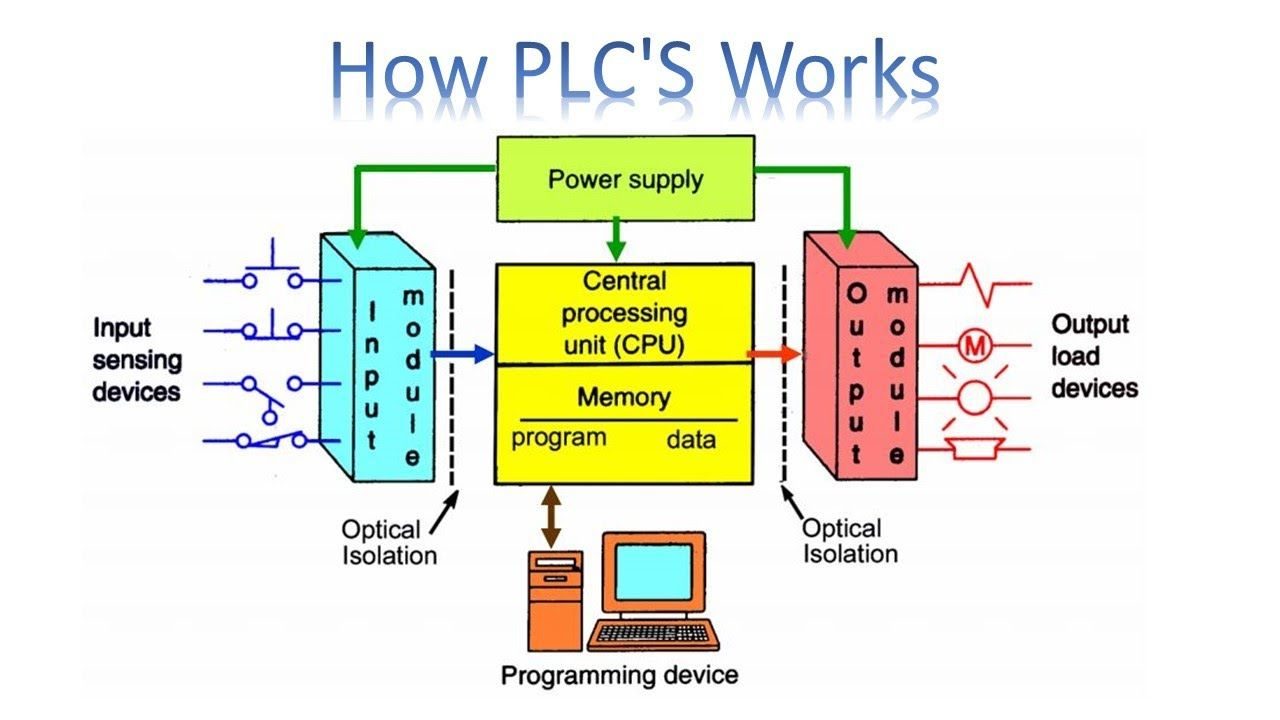
A PLC operates by receiving inputs, processing data, and triggering outputs. Sensors and switches send information to the PLC. The system then processes the data based on pre-set instructions. Finally, it sends signals to machines, motors, or other equipment to perform specific tasks.
PLCs use a programming language called Ladder Logic. This system is easy to understand and allows engineers to create automated processes. Once programmed, a PLC can run operations without human intervention. Some advanced PLCs also support other programming languages, like structured text and function block diagrams, offering even greater flexibility.
Benefits of Using PLCs in Business

Increased Efficiency
PLCs streamline operations by automating repetitive tasks. This reduces downtime and ensures machines work at optimal levels. With automation, businesses can produce more in less time, leading to higher productivity and profits.
Cost Savings
Automation lowers labor costs and reduces errors. A PLC system can also prevent equipment failures by detecting issues early. Predictive maintenance features allow businesses to address potential problems before they become costly repairs.
Flexibility
Unlike hard-wired systems, PLCs can be reprogrammed easily. This allows businesses to adapt to new processes without expensive equipment changes. Whether modifying production sequences or adjusting machine parameters, PLCs offer businesses the flexibility they need to stay competitive.
Reliability
PLCs are built to handle extreme conditions, including temperature changes, vibrations, and electrical noise. This durability makes them essential for industries like manufacturing and energy. Unlike manual operations, which are prone to human error, PLCs consistently perform programmed tasks with precision.
Better Data Monitoring
PLCs collect real-time data, helping businesses track performance and make informed decisions. This improves productivity and helps prevent costly breakdowns. Data logging features allow managers to analyze trends, optimize processes, and improve overall efficiency.
Industries That Benefit from PLCs
Many industries rely on PLCs to automate and optimize their processes. Here are a few examples:
- Manufacturing – Controls assembly lines, packaging, and robotic systems.
- Energy – Manages power plants, renewable energy systems, and grid operations.
- Automotive – Ensures precise control over production lines and quality testing.
- Food and Beverage – Regulates mixing, baking, and packaging processes.
- Pharmaceuticals – Ensures accurate dosing, packaging, and safety compliance.
- Water Treatment – Manages filtration, chemical dosing, and pump operations.
- Transportation – Controls traffic lights, railway systems, and automated toll booths.
How to Implement PLCs in Your Business
To integrate PLCs into your business, start by assessing your automation needs. Identify tasks that can benefit from automation and consult with an expert to select the right PLC system. Proper installation and programming are crucial for efficiency. Regular maintenance and updates will keep your system running smoothly.
Training employees on PLC operation and troubleshooting is also important. Many manufacturers offer training programs to help businesses maximize the benefits of their automation systems. Additionally, businesses should invest in scalable PLC solutions to accommodate future growth and changes in production.
Final Thoughts
PLCs are a valuable tool for businesses looking to improve automation, reduce costs, and increase efficiency. They offer flexibility, reliability, and real-time monitoring, making them essential in various industries. Investing in PLCs can help your business stay competitive and future-proof your operations. By understanding how PLCs work and implementing them effectively, businesses can achieve higher productivity, better quality control, and long-term cost savings.
Leave a Reply